
Sustainable Living Made Simple with Smart Home
Sustainability has shifted from being a lofty ideal to a practical necessity. With urban areas growing and resources under pressure, households are looking for ways to live efficiently without sacrificing comfort. The rise of smart technology has created new opportunities, allowing homes to evolve into spaces where convenience and conscience work hand in hand. At the heart of this evolution lies the promise of sustainable smart living, a balance of eco-friendly practices and intelligent design.
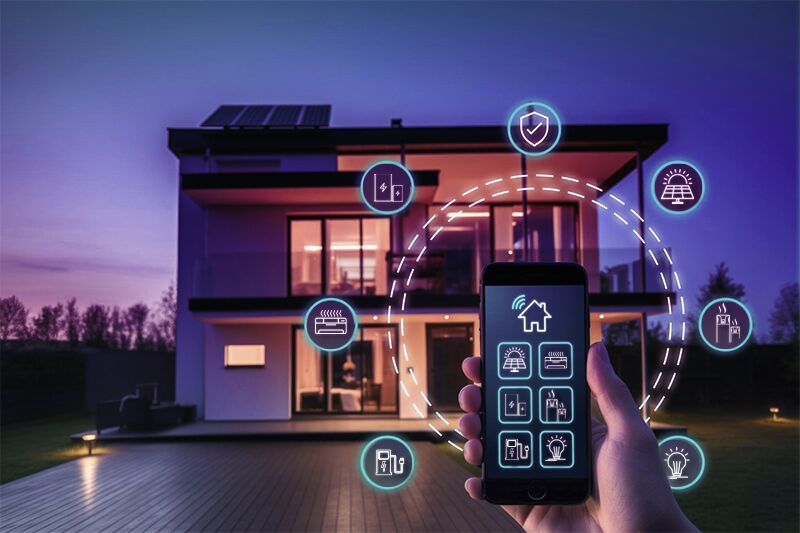
A Fresh Perspective on Modern Homes
The concept of a smart home once revolved mainly around convenience. Today, its significance has expanded. Devices now operate not only to simplify tasks but also to minimize waste and reduce carbon footprints. Automation ensures that electricity, water, and heating systems are used intelligently. The result is a home that actively participates in conserving the environment.
By integrating eco home hacks, everyday actions such as turning off unused appliances or adjusting room temperatures can be handled automatically. Small steps become powerful when guided by technology, reshaping how people perceive efficiency in their households.
Energy That Works Smarter
Electricity remains one of the biggest expenses for families. Smart homes respond to this challenge with adaptive lighting, automated thermostats, and intelligent plugs. These tools reduce consumption by learning patterns and making adjustments without requiring constant input.
Imagine a house where lights dim as natural sunlight floods in, or where heating switches off the moment you step out. These experiences represent more than convenience. They embody green tech tips in action, saving money while preserving the planet’s resources. The beauty lies in their simplicity, as efficiency happens quietly in the background.
Water as a Precious Resource
Few resources are as vital as clean water, yet it is often wasted in daily routines. Smart irrigation systems, sensor-based faucets, and efficient washing machines make conservation seamless. Lawns stay vibrant without overwatering, sinks shut off at just the right moment, and laundry cycles adjust according to load size.
This level of control aligns perfectly with sustainable smart living, showing how technology can transform habits without requiring dramatic lifestyle shifts. Guests may not notice the underlying systems, but they feel the difference in a home that flows with efficiency.
Appliances That Think Ahead
Modern appliances no longer serve just single functions. They predict, adapt, and improve daily routines while conserving energy. A refrigerator that suggests recipes based on available ingredients reduces food waste. An oven that preheats only when needed saves both time and power.
Incorporating such features reveals how eco home hacks can elevate kitchens into hubs of thoughtful sustainability. The focus shifts from indulgence to balance, where convenience and conservation coexist in harmony.
Comfort Without Excess
Living sustainably does not mean compromising on comfort. Smart homes prove this by providing cozy environments that adapt to people’s needs. Climate control systems learn personal preferences, maintaining ideal temperatures while avoiding unnecessary energy usage.
This approach highlights modern lifestyle ideas that redefine comfort as efficiency rather than extravagance. A warm living room, a cool bedroom, or a breezy study can all be achieved with minimal impact on the environment.
The Role of Renewable Integration
Smart homes extend their potential even further by aligning with renewable energy sources. Solar panels, when paired with intelligent storage systems, maximize energy efficiency. Excess power generated during the day can be stored and used later, reducing reliance on traditional grids.
These innovations showcase the brilliance of green tech tips in practical form. They not only reduce utility bills but also contribute to a global shift toward cleaner energy. The home becomes an active participant in a sustainable ecosystem rather than just a consumer of resources.
Everyday Habits Reinvented
The journey toward sustainability thrives on routine actions. A smart home simplifies this by embedding responsibility into everyday life. Thermostats adjust without being asked. Lights turn off when no one is present. Devices enter low-power modes automatically.
These routines bring sustainable smart living to life, where people make a difference without extra effort. It is not about grand gestures but about steady, mindful practices that accumulate into meaningful change.
The Aesthetic of Green Living
Sustainability is not limited to function. It extends into design, where materials, finishes, and layouts work together with technology to create beauty. Bamboo flooring, energy-efficient windows, and smart lighting systems all contribute to a home that feels elegant and eco-conscious.
Integrating modern lifestyle ideas into such spaces ensures that sustainability becomes not only practical but aspirational. Guests see innovation, family members feel comfort, and the home radiates a sense of balance with nature.
The Path Forward
The simplicity of making homes sustainable lies in the fusion of technology with thoughtful habits. Intelligent systems anticipate needs, while individuals cultivate a mindset of responsibility. The result is a lifestyle that feels effortless yet deeply impactful.
By embracing eco home hacks, implementing green tech tips, and exploring modern lifestyle ideas, households can reimagine what it means to live well. The focus is no longer on choosing between comfort and sustainability. Instead, it is about creating homes where the two naturally coexist.


