
Stylish Lifestyles Shaped by Interior Design
The spaces we inhabit have a profound influence on how we live, work, and interact. Interior design is no longer seen as a superficial pursuit but as a transformative force that defines atmosphere and behavior. Homes designed with intention shape habits, moods, and even aspirations. When aesthetics and function converge, they create environments that feel both comfortable and aspirational. This is the essence of stylish lifestyle design, where every element is chosen not only for beauty but also for its ability to enhance daily experience.
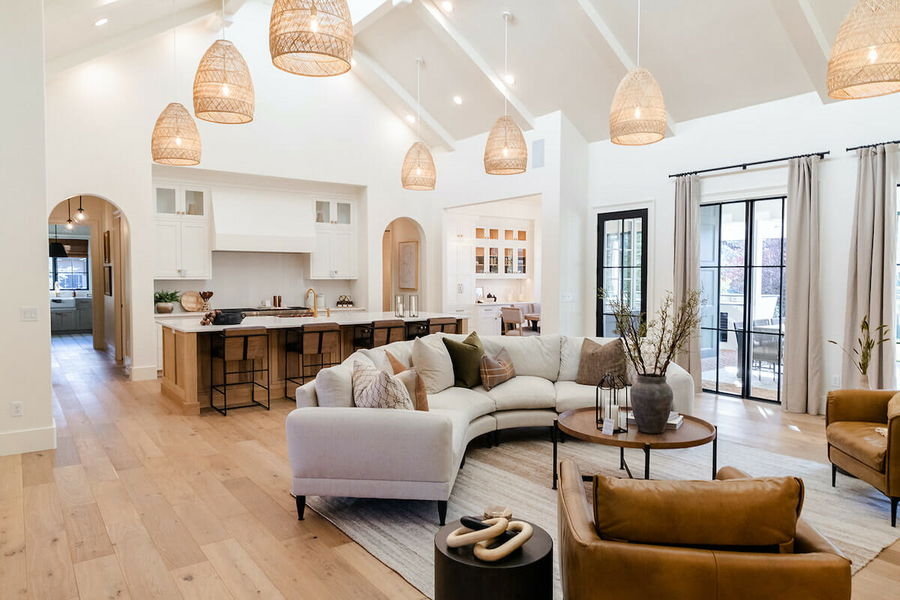
Design as a Reflection of Lifestyle
A home reveals more than taste; it communicates priorities and values. Open layouts that encourage socializing, cozy nooks that invite reflection, or workspaces that promote focus all demonstrate how interiors reflect lifestyle choices. By aligning design decisions with personal rhythms, a house becomes a partner in daily life rather than a static container. Modern living ideas highlight this synergy by emphasizing versatility, flexibility, and purpose in every detail.
The Rise of Functional Elegance
Today’s interiors embrace a delicate balance between utility and refinement. Storage solutions hidden behind seamless cabinetry, modular furniture adaptable to changing needs, and integrated technology designed to disappear into the background all speak to the philosophy of functional elegance. Such an approach nurtures a life where efficiency coexists with comfort. It is here that fashionable home tips prove invaluable, guiding homeowners toward choices that remain sophisticated without sacrificing practicality.
The Role of Materials and Textures
Materials possess the power to set tone and mood within a space. Velvet, marble, brass, reclaimed wood, and rattan each tell a story, layering rooms with character and complexity. Smooth surfaces paired with tactile fabrics create contrast that heightens sensory engagement. This interplay is essential for cultivating an elegant decor style that feels timeless rather than transient. By experimenting with unexpected combinations, interiors acquire an aura that is at once grounded and imaginative.
The Language of Color
Color operates as silent poetry in design. Deep blues instill calm, terracotta adds warmth, and pale neutrals provide balance. Accent shades in cushions, rugs, or wall art create focal points that anchor a room. Color psychology is central to stylish lifestyle design, as it influences not only aesthetics but also emotion. A palette chosen with care can transform a space from ordinary to extraordinary, shaping the way inhabitants experience it each day.
Personalization and Character
A space devoid of individuality risks feeling impersonal. Artwork, heirlooms, and custom details infuse authenticity into interiors. Personalization ensures that a home does not resemble a showroom but rather a narrative of lived experience. Collections of books, travel mementos, or handwoven textiles bring warmth and character. Such layers are central to fashionable home tips, reminding us that elegance flourishes when paired with meaning.
Spatial Flow and Harmony
The choreography of movement within a home dictates comfort. Well-considered layouts enhance flow, guiding inhabitants effortlessly from one zone to another. Strategic placement of furniture, lighting, and art ensures balance between utility and beauty. This orchestration is a hallmark of modern living ideas, where open concepts are balanced by intentional divisions to maintain intimacy within expansiveness.
Embracing Sustainability
Sustainability has become a defining principle in contemporary interiors. Natural materials, energy-efficient lighting, and responsibly sourced furnishings resonate with those seeking integrity in design. Sustainable choices align seamlessly with an elegant decor style, as enduring craftsmanship often outlasts fleeting trends. A well-made chair, a hand-thrown ceramic vase, or a responsibly harvested wood table are not only environmentally conscious but also aesthetically enriching.
The Importance of Light
Light dictates atmosphere as much as furniture or color. Natural illumination offers vitality, while layered artificial lighting creates mood and versatility. Ambient, task, and accent lighting function together to elevate interiors. Proper lighting transforms ordinary rooms into vibrant settings for living, dining, and resting. No stylish lifestyle design is complete without a nuanced understanding of light’s role.
The Future of Interior Design
Design continues to evolve in response to cultural shifts, technological advancements, and environmental imperatives. Smart systems integrated seamlessly into furniture, adaptable spaces that serve multiple functions, and biophilic principles that bring nature indoors are shaping tomorrow’s homes. These concepts align with modern living ideas, ensuring that interiors remain relevant and responsive.
Interior design is more than surface arrangement; it is a craft that shapes the way we inhabit and experience our environments. By blending functionality with sophistication, it fosters spaces that inspire and support a refined way of life. Through fashionable home tips, careful attention to detail, and a commitment to authenticity, every household can cultivate an elegant decor style. Above all, design serves as the framework for a life lived with grace, comfort, and meaning, ensuring that homes reflect not only taste but also the very essence of a stylish lifestyle design.


