Interior Design Tips for Effortless Harmony
Interior Design Tips for Effortless Harmony within a home begins with how spaces connect and interact. Movement should feel intuitive, almost unspoken, guiding occupants from one area to another without interruption. When pathways remain unobstructed and furniture placement feels intentional, the environment naturally supports a sense of calm.
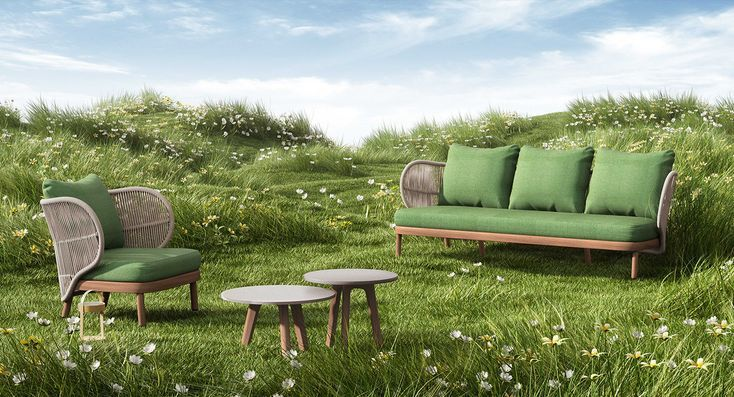
Visual balance also plays a subtle role. Symmetry can provide structure, yet a touch of asymmetry introduces character and authenticity. This delicate interplay prevents spaces from feeling rigid or overly staged. Within this context, relaxed home ideas shape interiors that feel both composed and comfortably lived in.
Color Language and Emotional Ease
Color has the power to influence perception in profound ways. Soft, desaturated tones create an atmosphere of tranquility, allowing the mind to settle with ease. Shades inspired by nature such as gentle greens, warm beiges, and muted blues evoke familiarity and quiet comfort.
Transitions between colors should remain fluid rather than abrupt. Gradual shifts maintain visual continuity and prevent sensory disruption. When applied thoughtfully, relaxed home ideas transform color into a unifying force that ties each room together with subtle elegance.
Texture and Sensory Depth
A harmonious interior is not solely visual. It engages the senses through texture and material variation. Smooth surfaces paired with softer elements introduce depth without overwhelming the composition. This layering creates a tactile richness that enhances everyday experience.
Natural materials such as wood, linen, and stone contribute an organic quality that feels grounding. Their imperfections add authenticity, reminding occupants of the beauty found in simplicity. By embracing relaxed home ideas, texture becomes a quiet yet powerful contributor to overall harmony.
Light and Atmospheric Comfort
Lighting defines how a space is perceived throughout the day. Natural light brings vitality, while carefully placed artificial lighting maintains warmth after sunset. The key lies in balance. Overly bright environments can feel harsh, while insufficient lighting may create discomfort.
Soft illumination encourages relaxation and enhances the ambiance of a room. Curtains that filter sunlight, combined with layered lighting sources, allow for adaptability. Through these adjustments, relaxed home ideas guide the creation of spaces that feel inviting at any hour.
Personal Touch and Subtle Cohesion
True harmony emerges when a space reflects the people who inhabit it. Personal elements should be integrated with care, ensuring they complement rather than dominate the overall design. Artwork, books, and meaningful objects add depth while maintaining cohesion.
Consistency in style and tone helps unify diverse elements. Even when incorporating varied influences, a common thread should remain visible. This continuity creates a sense of completeness without sacrificing individuality. With relaxed home ideas, interiors evolve into environments that feel authentic, balanced, and quietly inspiring.