
How to Get an Affordable Fence Without Compromising Durability
When it comes to enhancing your property’s privacy, security, and curb appeal, installing a fence is often a smart investment. But for many homeowners, balancing budget with durability is a challenge. Fortunately, getting an affordable fence doesn’t mean you have to settle for cheap materials that won’t last. With the right planning and materials, you can have a fence that’s both cost-effective and built to endure the test of time.
Here’s a comprehensive guide to help you get an affordable fence without sacrificing strength and quality.
1. Start with a Clear Budget
Before selecting a fence type, define how much you’re willing to spend. Include not just the cost of materials, but also labor (if you’re hiring a contractor), permits, and maintenance costs. This will help you avoid overspending and allow you to compare options wisely. Remember, an affordable fence isn’t just about the lowest upfront price—it’s about long-term value.
2. Choose the Right Material
The material you select plays a crucial role in the cost and longevity of your fence. Here are some durable yet budget-friendly materials to consider:
Wood (Pressure-Treated Pine)
Wood fences are classic and offer excellent privacy. Pressure-treated pine is one of the most affordable wood options. It resists rot and pests, especially if maintained properly with regular staining or sealing. While wood may require more upkeep, it provides a natural, warm appearance that many homeowners love.
Vinyl
Vinyl fencing costs more initially than wood, but it’s nearly maintenance-free and extremely durable. It won’t rot, warp, or need painting. Over the long run, vinyl can prove to be more affordable thanks to its longevity and low maintenance.
Chain Link
Chain link is one of the most affordable fence options available. Though it doesn’t provide much privacy, it is durable and ideal for securing pets or marking property lines. You can also add privacy slats or climbing plants to enhance its appearance.
Aluminum
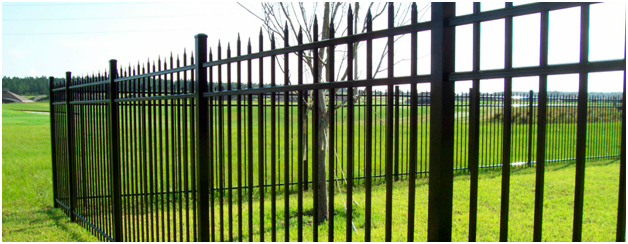
Aluminum fencing offers the look of wrought iron without the high cost or maintenance. It’s rust-resistant and lightweight, making it a strong candidate for an affordable fence that lasts for decades.
3. Go with Simpler Designs
Elaborate fence designs with decorative posts, lattice tops, or scalloped edges look great but add to the cost. If affordability is your priority, choose a straightforward design. A standard picket or panel fence without extra embellishments can still be attractive and functional.
4. Install the Fence Yourself (If Possible)
Labor costs can account for 30% to 50% of the total fencing expense. If you have basic DIY skills and the right tools, installing the fence yourself can significantly lower the overall cost. There are many kits and pre-assembled panels available that simplify the installation process. However, always follow safety guidelines and local building codes.
5. Shop Smart and Compare Prices
Always get multiple quotes if hiring a contractor. Visit local supply stores and compare pricing between retailers and online vendors. Buying in bulk or during seasonal sales can also reduce the cost. Consider reclaimed or surplus fencing materials for further savings—they can be just as durable if sourced carefully.
6. Fence Only What You Need
You don’t always have to fence your entire yard. Installing a fence around a smaller section—like a garden, pool area, or backyard—can fulfill your security or privacy needs without the higher price tag of enclosing the whole property. Strategic fencing can cut costs without compromising on functionality.
7. Think Long-Term Maintenance
A truly affordable fence is one that continues to serve you well without constant repair or replacement. That’s why durability matters. Before making a final decision, factor in how often the fence will need maintenance, staining, painting, or repairs. Low-maintenance options like vinyl or aluminum may have a higher upfront cost but lower lifetime expenses.
8. Check Local Regulations and Permits
Unexpected fees for permits or fines for not complying with local fence regulations can blow your budget. Before beginning any installation, check with your municipality or homeowners’ association to ensure your fence meets all height, material, and boundary requirements.
Conclusion
Finding an affordable fence that doesn’t compromise on durability is entirely possible with a little research and smart decision-making. By selecting the right materials, considering simpler designs, and possibly tackling some of the work yourself, you can install a fence that balances cost, strength, and appearance.
An affordable fence isn’t just about the lowest price—it’s about maximizing value. Prioritize materials and installation methods that offer longevity, and you’ll enjoy a secure, attractive boundary around your home for years to come.


