
Government Strategies to Offset the Impact of Tariff Increases
Government Strategies to Offset the Impact of Tariff Increases In today’s interconnected global economy, tariffs play a pivotal role in shaping trade relations. As nations engage in trade wars, the imposition of tariffs has become a commonly used strategy to protect domestic industries or to retaliate against perceived unfair trade practices. However, while tariffs are often employed to serve political or economic goals, their impact is far-reaching, especially on sectors like education, business, and the daily lives of citizens. The education bill and government action are essential tools in addressing the cascading effects of tariff increases, mitigating their impact, and ensuring that the country’s most vulnerable sectors continue to thrive.
Understanding how tariffs affect the broader economy is crucial. This raises the price of finished products, which in turn leads to higher prices for consumers. The ripple effect then extends into different industries, and government intervention becomes essential to prevent severe economic downturns. The education bill and government action are key to supporting public institutions and ensuring they have the resources necessary to continue operating smoothly in a climate of rising costs.
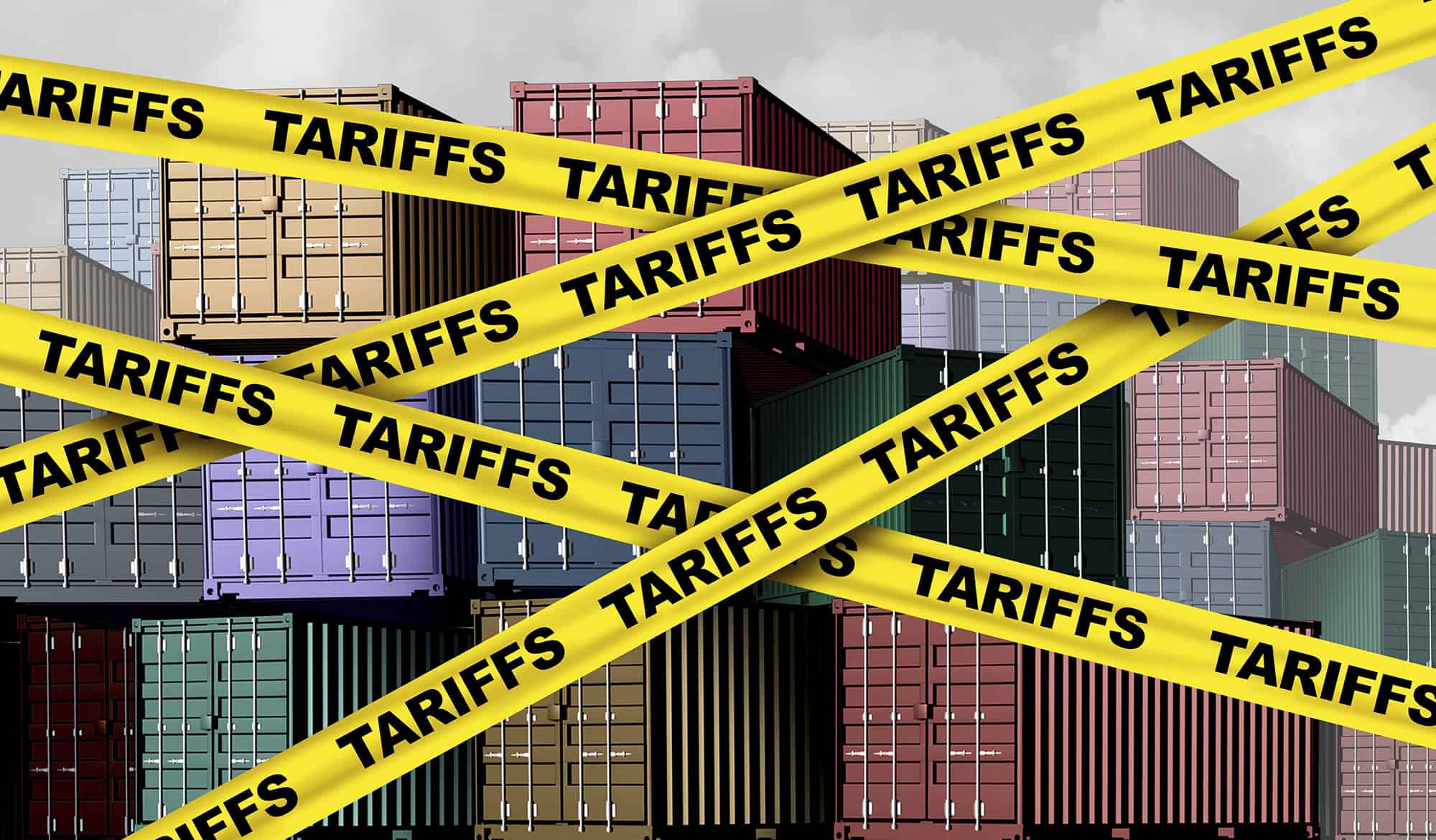
Understanding Tariffs and Their Impact
Tariffs are taxes imposed on goods and services imported from other countries. The goal of tariffs is often to make foreign goods more expensive, thereby encouraging consumers to purchase domestically produced products. While this may benefit certain industries, the negative consequences of tariffs are far-reaching.
When tariffs increase, businesses face higher production costs, which can lead to rising prices for consumers. This surge in prices can be particularly damaging to low-income households, where a significant portion of income is spent on basic goods. More importantly, when these goods are used to support essential sectors like education, the impact can be severe. Schools, universities, and even private education providers are forced to cope with rising costs, resulting in potential cuts to critical programs or a reduction in educational quality.
In this economic environment, the education bill and government action take center stage in the fight to protect vital services and address the challenges posed by these economic shifts. By implementing policies aimed at offsetting the effects of tariff increases, governments can support educational institutions, help lower-income families access essential services, and maintain a high standard of education despite rising costs.
Strategies to Offset the Impact of Tariffs
1. Targeted Subsidies for Education
One of the most effective ways governments can shield education from the impact of tariff increases is through targeted subsidies. These financial injections ensure that schools, particularly public institutions, can continue to operate despite higher costs for goods and services. Subsidies can be used to cover the increased expense of educational materials, technology, and even staffing, which are typically imported from other countries.
Subsidies aimed at education can come in various forms, such as direct funding to public schools or financial assistance for higher education institutions. By protecting education budgets in this way, governments can alleviate some of the pressure caused by rising prices. Additionally, targeted subsidies help prevent cuts to educational programs, ensuring that students receive the resources they need to succeed.
In the context of the education bill and government action, lawmakers have the power to introduce provisions that guarantee continued funding for education, even when other sectors face budget constraints. These measures can cushion the blow of tariff increases, preventing education from becoming a casualty of broader economic shifts.
2. Investing in Domestic Education Resources
Another crucial strategy for mitigating the impact of tariffs on education is investing in domestic production. The cost of educational materials, such as textbooks, computer hardware, and other supplies, often rises when tariffs increase on imported goods. One way governments can address this is by promoting the production of these items domestically, reducing the reliance on international trade and the volatility of tariffs.
Encouraging domestic production of educational resources is a long-term solution that can foster job creation within the country while simultaneously lowering costs for educational institutions. By providing tax incentives and grants to businesses that manufacture educational supplies locally, governments can stimulate economic growth while protecting the education sector from the effects of rising tariffs.
Moreover, supporting innovation in educational technology, such as e-learning platforms, digital textbooks, and online resources, can help reduce reliance on physical goods that are subject to tariffs. Through investment in digital learning tools, schools can reduce costs and maintain high standards of education, even as tariffs increase on physical materials.
3. Enhancing Trade Agreements and Negotiations
A proactive approach to tariffs involves improving international trade agreements to reduce tariff rates on goods crucial for education. Rather than accepting higher tariffs as a permanent solution, governments can negotiate with their trading partners to create agreements that lower or eliminate tariffs on certain educational products. For instance, negotiated agreements with countries that supply technology, textbooks, or educational infrastructure could alleviate some of the burdens caused by tariffs.
In this context, the education bill and government action play a significant role in advocating for these negotiations. Lawmakers and trade representatives can use their positions to lobby for tariff reductions that directly benefit the education sector. By including educational goods in trade discussions, the government can ensure that education remains affordable and accessible, even in the face of broader economic challenges.
4. Increasing Public-Private Partnerships
Public-private partnerships (PPPs) are another strategy governments can use to offset the impact of tariff increases. In many countries, private sector companies have the capacity to produce educational materials and technology more efficiently and at a lower cost than public institutions. By collaborating with these private companies, governments can access high-quality resources at a fraction of the cost.
In addition to reducing costs, these partnerships can bring innovation and new technologies to the education sector. As the world of education becomes increasingly digitized, public-private partnerships can provide access to cutting-edge tools and resources that improve learning outcomes for students.
Furthermore, these partnerships can extend to financing initiatives that offer low-interest loans or grants to educational institutions. By securing funding through PPPs, governments can provide schools with the financial support they need to continue delivering high-quality education, regardless of the challenges posed by tariff increases.
5. Strengthening Financial Aid Programs
For many students, the rising cost of education due to tariffs can make higher education inaccessible. In response, governments can strengthen financial aid programs to ensure that students from all socioeconomic backgrounds can afford to attend school. This may involve increasing funding for scholarships, offering tuition subsidies, or expanding access to student loans at favorable terms.
Increased financial aid ensures that rising tuition fees, caused by the economic impact of tariff increases, do not bar students from pursuing their educational dreams. The education bill and government action are instrumental in securing these resources and ensuring that the financial burden does not disproportionately affect low-income students.
By strengthening these programs, governments can maintain social mobility and ensure that higher education remains a viable path for all students, regardless of their economic circumstances. This is essential in fostering a diverse, skilled workforce that can contribute to the economy in the future.
6. Encouraging Budget Flexibility at the State Level
The impact of tariff increases is felt most acutely at the state and local levels, where education funding often comes from public budgets. Governments can help offset the effects of tariffs by allowing for more flexible budgeting at the state level. This flexibility would enable states and local governments to reallocate funds in response to rising costs, ensuring that education does not suffer when other areas of the economy are under strain.
By introducing flexible budgeting, governments allow school districts to prioritize education even as they face other financial challenges. This strategy ensures that, regardless of the broader economic environment, education can remain a top priority for state and local governments.
The Role of Lawmakers in Shaping Policy
Ultimately, the effectiveness of these strategies hinges on the education bill and government action. Lawmakers must recognize the critical role that education plays in the country’s future and ensure that policies are in place to protect educational institutions from the fallout of tariff increases. Whether it’s through subsidies, negotiations, or financial aid, the government must prioritize education in its response to economic shifts.
Through careful planning and strategic interventions, governments can mitigate the impact of tariff increases on education. By using a combination of immediate relief and long-term solutions, policymakers can ensure that education continues to thrive, regardless of the challenges posed by tariffs and other economic disruptions.
Conclusion
The economic fallout of tariff increases affects more than just the goods we purchase—it has profound implications for public services, particularly education. By leveraging a variety of strategies, including targeted subsidies, public-private partnerships, and flexible budgeting, governments can offset the negative effects of tariffs on education. The education bill and government action are essential components of this effort, ensuring that schools and universities continue to have the resources they need to educate future generations.
As the global economy continues to evolve, the importance of maintaining a robust and accessible education system cannot be overstated. By addressing the challenges posed by tariff increases through thoughtful government intervention, policymakers can ensure that education remains a powerful tool for social mobility, economic development, and the advancement of society.


